

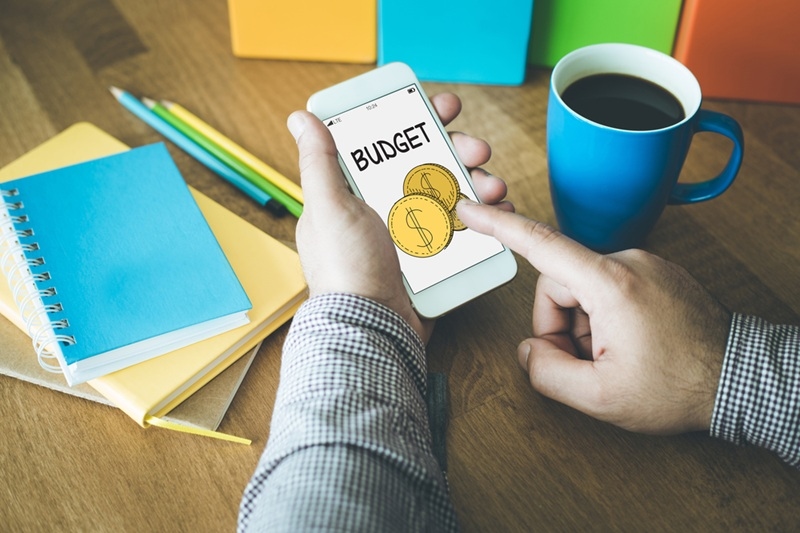
The ability to differentiate between cash and credit purchases, between using a credit card and a debit account, and to understand the psychology of spending habits is critical to establishing long-term wealth in today's economy. If you want to go from cash budgeting to being a debt-free consumer, mastering these basics of finance will help tremendously sharpen your financial stability. By using smart financial management tips, you will achieve a balance between discipline and convenience in your life.
Comparing cash with credit spending reveals how differently these two forms of payment can affect financial behaviour. Cash transactions are tangible; however, credit transactions provide convenience and rewards, yet can result in an inability to limit your spending.
Using cash elicits a stronger emotional response to spending. Through the use of behavioural finance principles, when you physically hand over cash, you are more aware of the amount of money being spent. This directly affects how one establishes their spending habits, as individuals usually spend less in cash than they do with a credit card.
The cash experience allows you to:
Therefore, many financial advisers promote a cash-based budgeting system for those who desire to regain control over their finances.
Credit cards offer flexibility and many benefits, but they also carry risks. In comparing credit to debit, credit cards provide rewards, fraud protection, and the ability to establish a credit history. Without discipline, credit cards can quickly lead to excessive amounts of high-interest debt.
The following are the disadvantages of credit card usage:
To avoid credit card debt, use credit responsibly and stay within your credit limit.
Expand Your Knowledge: 5 Steps of Systematic Investment Plan for Long-Term Wealth
Developing an understanding of the psychology behind shopping habits will help you to make better financial choices. Your thinking, feelings, and behaviours influence whether you prefer to use cash or credit.
Researchers at financial institutions such as the Federal Reserve have reported that customers can spend up to 20% more on average when using credit rather than cash. The reasons for this include:
The above information shows that the psychological difference between cash and credit-based transactions indicates that cash vs. credit spending is not just a financial decision but, more importantly, a behavioural one.
Your ability to build good habits comes down to your level of awareness and having a structure to follow to improve your choices around money (spending). Here are a few great tips on how to make smarter spending decisions:
By using the above strategies together, you will be able to realise the benefits of combining both spending styles and keep your finances on track.
A Closer Look at This: Effective Cash Flow Management Techniques for Stability
To avoid accruing credit card debt, you need a structured approach. You will have a greater chance of success if you marry the principles of discipline to an awareness of self.
A cash budgeting system, such as the envelope method, allocates a set amount of cash to a specific expense category. A cash budgeting system helps you do the following:
For those individuals who have trouble controlling their urges to spend impulsively, a cash budgeting system may be the best option for you.
When it comes to evaluating the benefits of credit versus debit, consider these points:
One smart way to maximize your use of both credit and cash/debit cards is to use cash/debit cards for everyday purchases and your credit card for planned purchases you intend to pay off immediately.
In order to avoid accruing credit card debt, consider these proven strategies to help you spend wisely:
The Consumer Financial Protection Bureau and other financial authorities advocate using these practices as fundamental to building and sustaining a healthy credit history.
When discussing cash versus credit, you do not need to pick one or the other; rather, use each one strategically. Cash provides a way to develop self-discipline through direct spending, whereas credit offers flexible, financially rewarding alternatives when you spend wisely. People gain better control over their finances by understanding their spending habits, taking advantage of credit card vs. debit card rewards, and putting a cash budget in place. Furthermore, using smart spending strategies can help you manage your money effectively and prevent future credit card debt. A balanced approach, rooted in awareness and discipline, is the best way to achieve smarter spending.
When it comes down to budgeting, using cash instead of credit can help you stay within your limit. Cash provides awareness of what you have been spending, aligns with the psychology of spending, and lets you use various budgeting systems (e.g., cash budgeting) to gain more control over your purchases.
You can avoid getting into debt with credit cards by always paying off your entire balance at the end of each month, or at least making the minimum payment due within the grace period; monitoring your credit card usage; utilizing strategies for smart spending; and, where practical, using both credit and debit cards. Utilizing both types of cards can help maximize their benefits, and the cash budgeting system provides a way to avoid accumulating excess financial burden (i.e., credit card debt) and making impulsive purchases.
Psychological factors impact how people think about and utilize money. The way you think about money will affect how you decide whether to spend on cash vs credit, how often you impulse purchase something, how successful you will be with using a cash budgeting system, etc.
This content was created by AI